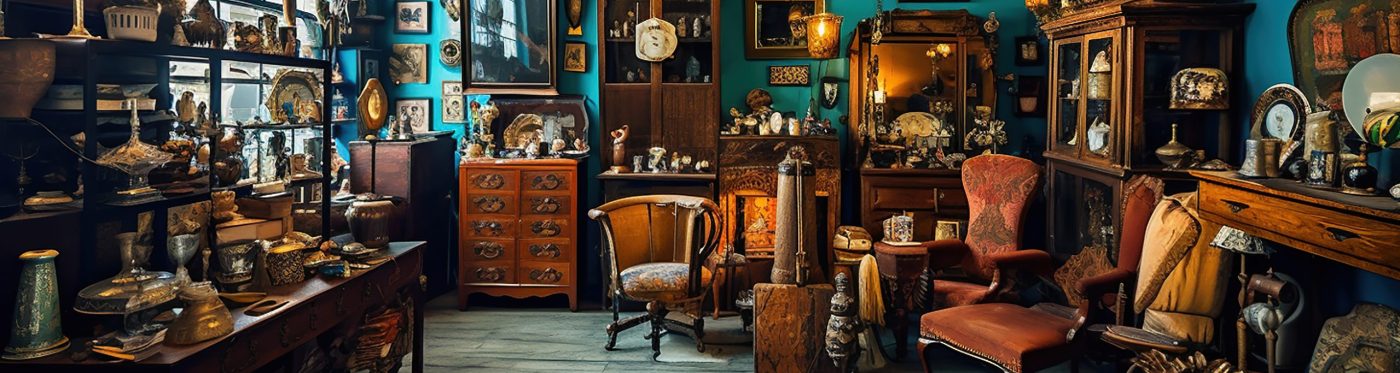
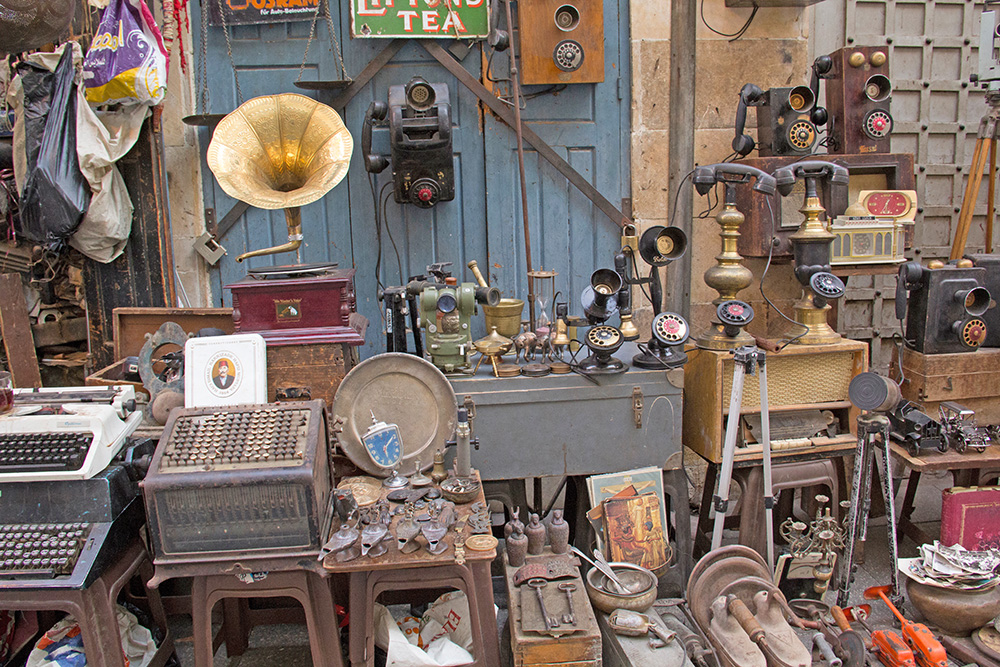
Most of us in the publishing world are dealing with “artificial intelligence” in two ways. One is how to use it to both save costs and improve our publications. The other is to be able to identify plagiarized material and altered images. It’s an evolving situation.
Frequent Collector contributor David Hamilton did some interesting research on AI images to create a Revolutionary War battle scene illustration. Given that there was no photography at the time, images that exist from then were basically paintings based on written accounts and possibly some first-hand observation. They may or may not have been accurate. David’s experimentation produced various results, depending on his human “instruction” to the AI program and what human help he provided in the way of source material. Of course in this case my question was how do we identify an AI image, unlike a painting that was signed by the artist. It was an interesting and continuing discussion.
My second thought as an antiques collector is how will AI be misused in on-line sales of antiques. Certainly reputable auction firms wouldn’t allow altered images. Often they go out of the way to show defects. But there are other ways antiques and collectibles are sold on-line so the ease of altering images makes “let the buyer beware” an important factor.
Fakes, repairs and restorations, and replacements altered to look old, have always been part of the buying and selling of antiques. Sometimes with intent to fool and sometimes just passed along unknowingly. AI imaging, beyond basic digital photo retouching, is a new factor to come into play. How it will evolve is hard to know.
Discover more from NYPA Collector
Subscribe to get the latest posts sent to your email.